
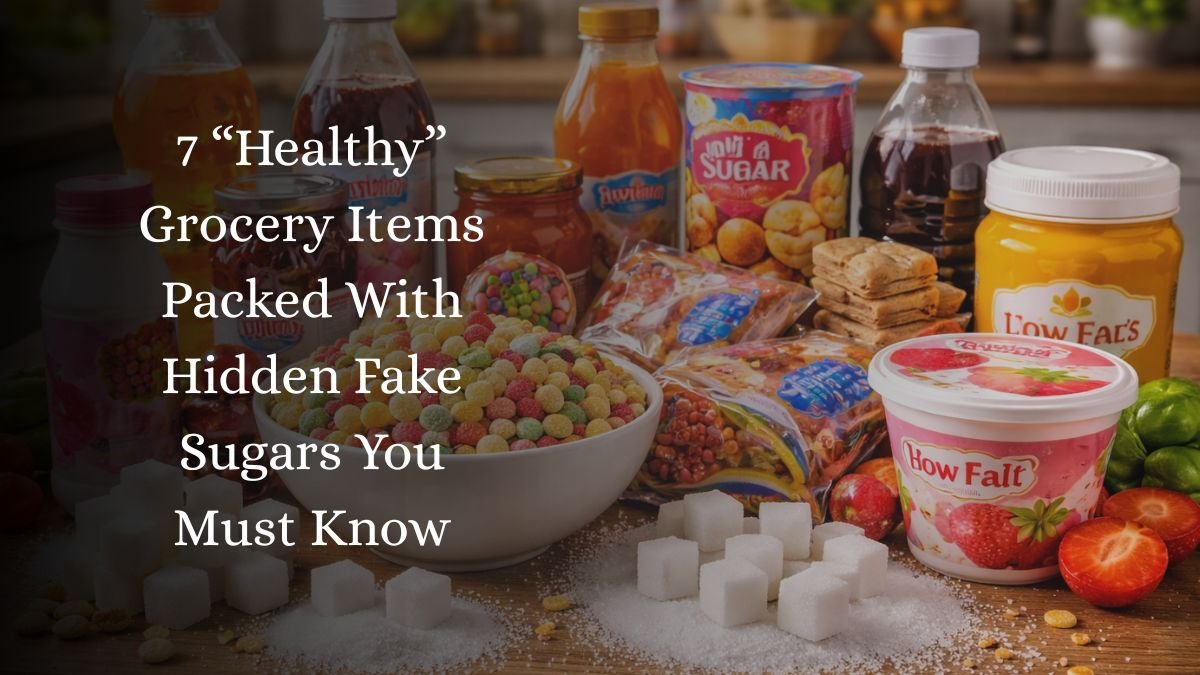
In today’s health-conscious world, many people actively look for better food choices. However, the truth is that many products labeled as healthy may still contain fake sugars. These artificial sweeteners are often found in foods marketed as “sugar-free,” “low-sugar,” or “no added sugar.” Understanding fake sugars and checking labels carefully is essential to protect your health.
There is increasing evidence, including insights shared by experts at Cleveland Clinic, suggesting that fake sugars may not be as safe as they appear. Let’s explore seven common grocery items that seem healthy but are often loaded with hidden artificial sweeteners.
Why Fake Sugars Are a Growing Concern
Understanding Artificial Sweeteners
Artificial sweeteners such as sucralose, aspartame, sorbitol, and xylitol are widely used to replace sugar while maintaining sweetness.
Health Risks Linked to Fake Sugars
Experts highlight several risks associated with fake sugars, including:
- Increased cravings for sweet foods
- Possible weight gain
- Links to Type 2 diabetes
- Potential cardiovascular risks
Functional medicine specialist Dr. Melissa Young explains that while sugar itself is problematic, fake sugars may be even more harmful in comparison.
1. Yogurt (Especially Sugar-Free Options)
Many people choose yogurt as a healthy snack, but low-sugar or sugar-free yogurt often contains fake sugars like sucralose and aspartame.
Why It’s Misleading
- Marketed as a healthy option
- Hidden artificial sweeteners instead of natural sugar
Expert Insight
Dr. Melissa Young notes that both sugar and fake sugars can negatively impact health, but artificial ones may be worse.
2. Bread (Light and Diet Varieties)
Many “light” or diet breads contain fake sugars to enhance taste while keeping calories low.
Hidden Impact
- Triggers cravings for more sweetness
- Can lead to overeating
What Happens
According to experts, consuming fake sugars may create a cycle of sugar cravings, increasing overall calorie intake.
3. Protein Shakes
Protein shakes are often seen as part of a healthy lifestyle, but many contain fake sugars like sucralose and even high-fructose corn syrup.
Key Concern
- Marketed as fitness-friendly
- Loaded with hidden artificial sweeteners
Expert Advice
No amount of fake sugars can make an unhealthy product truly healthy.
4. Flavored Cottage Cheese
Flavored cottage cheese may seem like a protein-rich snack, but it often contains fake sugars.
Transparency Issue
Dr. James Krieger points out that companies are not required to disclose how much artificial sweetener they use.
Why It Matters
- Hard to track intake of fake sugars
- Misleading labeling
5. Sugar-Free Gum
Sugar-free gum relies heavily on fake sugars like sorbitol and xylitol.
Health Risk
Research shows that high levels of xylitol may increase the risk of:
- Blood clotting
- Heart attacks
- Strokes
Scientific Insight
Physician-scientist Dr. Stanley Hazen highlights the connection between xylitol and cardiovascular issues.
6. Protein Bars
Protein bars are widely promoted as healthy snacks but often contain significant amounts of fake sugars.
Long-Term Risks
Studies link fake sugars to:
- Weight gain
- Type 2 diabetes
- Heart disease
Expert View
Dr. Krieger emphasizes that artificial sweeteners contribute to major public health concerns.
7. Pasta Sauce (Low-Sugar Versions)
Some pasta sauces labeled as “low-sugar” or “no sugar added” may include fake sugars instead.
Why It’s a Problem
- Replacing sugar doesn’t mean healthier
- Artificial sweeteners may still harm long-term health
Expert Warning
Switching to fake sugars doesn’t provide the health benefits people expect.
The rise of fake sugars in everyday grocery items shows how important it is to read labels carefully. Many foods marketed as healthy alternatives may actually contain hidden artificial sweeteners that can negatively impact your body over time. From yogurt to pasta sauce, these products can easily mislead consumers.
The best approach is to choose whole, minimally processed foods and stay aware of ingredient lists. Making informed decisions today can protect your long-term health and help you avoid the hidden dangers of fake sugars.
FAQs
1. Are fake sugars worse than regular sugar?
Many experts believe fake sugars may cause more harm due to their links with cravings, metabolic issues, and long-term health risks.
2. How can I identify fake sugars on labels?
Look for ingredients like aspartame, sucralose, xylitol, sorbitol, and other artificial sweeteners listed in the ingredients section.
3. Should I completely avoid fake sugars?
It’s best to limit fake sugars as much as possible and focus on natural, whole food options for better health.