
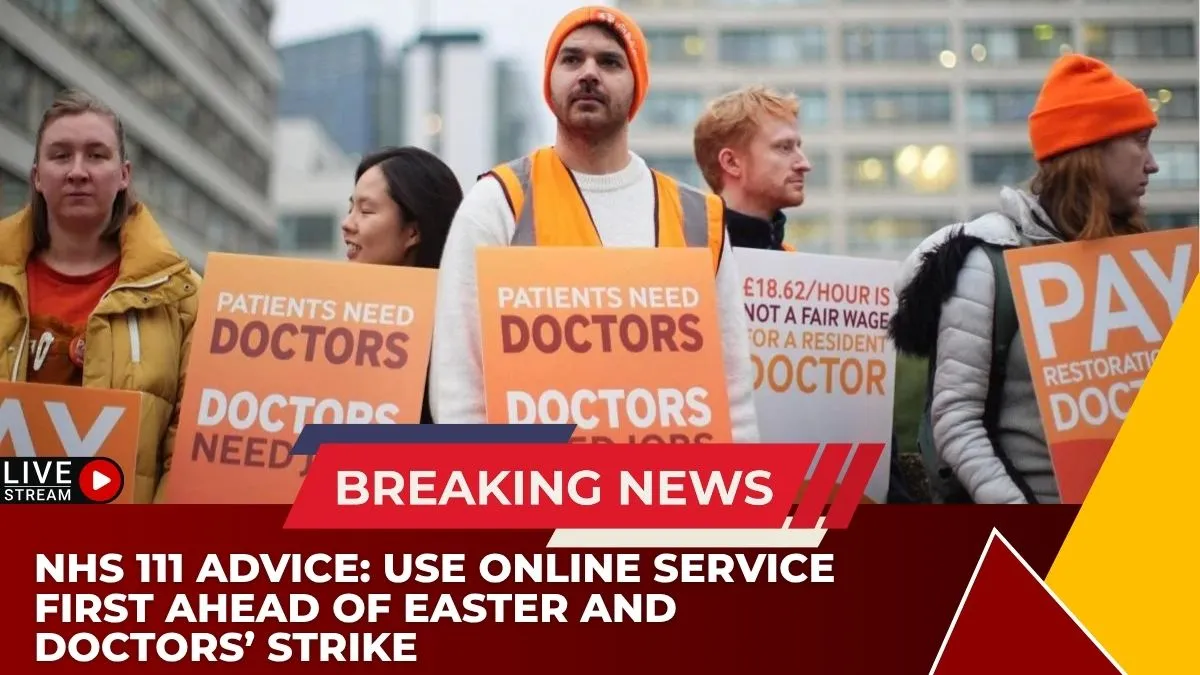
As the Easter bank holiday approaches, NHS 111 advice is being strongly emphasized by healthcare leaders to help manage increased pressure on services.
Officials from NHS England are urging people across the South East to use NHS 111 advice online as their first option for non-emergency medical concerns during the busy holiday period from April 3 to April 6.
This guidance comes at a critical time, as this is expected to play a key role in maintaining access to urgent care while resident doctors prepare for a six-day strike beginning April 7.
Why NHS 111 Advice Is Crucial This Easter?
Healthcare services traditionally experience high demand during long weekends, and this year is no exception. With the added strain of upcoming industrial action, NHS 111 advice is being promoted as an efficient way to reduce unnecessary hospital visits.
Dr. Christopher Tibbs, Medical Director for NHS England South East, highlighted that:
- The Easter period already places heavy demand on hospitals and GP services
- The resident doctors’ strike will further intensify pressure
- Public cooperation in following NHS 111 advice can help ensure emergency services remain available
He emphasized that while the NHS remains fully operational, people must make responsible choices when seeking care.
Impact of the Resident Doctors’ Strike
The upcoming strike by resident doctors in England is scheduled to run from:
- Start: 7:00 AM on April 7
- End: 6:59 AM on April 13
This industrial action follows a decision by the British Medical Association to reject the government’s latest pay proposal.
Reasons Behind the Strike
The BMA outlined several concerns:
- Proposed pay increases would be spread over three years
- Recommended pay rise of only 3.5% by the pay review body (DDRB)
- Real-term pay for resident doctors has reportedly dropped by around 20% since 2008
Because of this situation, NHS 111 advice becomes even more essential in guiding patients to the right level of care without overwhelming hospitals.
How NHS 111 Advice Helps Patients?
The NHS 111 advice service offers a convenient and reliable alternative to visiting emergency departments for non-urgent issues.
Key Features of NHS 111 Online
- Provides quick medical guidance for minor illnesses and concerns
- Offers access to trained clinicians or nurses via callbacks
- Can book appointments at A&E if necessary
- Directs patients to appropriate local services
Using NHS 111 ensures that patients receive timely care while helping reduce unnecessary pressure on emergency services.
When to Use NHS 111 Advice vs Emergency Services?
Understanding when to use NHS 111 advice is critical for both patients and the healthcare system.
Use NHS 111 Advice When:
- You have a non-life-threatening medical concern
- You need guidance on symptoms or treatment
- You are unsure whether to visit a GP or hospital
Call 999 Immediately If:
- There is a life-threatening emergency
- Someone is unconscious or not breathing
- Severe chest pain or major injury occurs
By following NHS 111 advice, patients can ensure that emergency resources remain available for those who truly need them.
Support from NHS Staff During the Crisis
Despite the challenges posed by staff shortages and strike action, NHS teams are working tirelessly to maintain services.
Dr. Tibbs acknowledged:
- The dedication of NHS staff working extra hours
- The contribution of resident doctors who are not participating in the strike
- Efforts to minimize disruption and continue planned treatments
Healthcare professionals are committed to delivering care, but public cooperation with NHS 111 advice remains essential.
Challenges During the Easter Holiday Period
Several factors contribute to increased pressure on healthcare services during Easter:
- Higher patient demand due to travel and gatherings
- Staff taking annual leave during school holidays
- Limited GP availability over bank holidays
These challenges make NHS 111 advice a vital tool in managing patient flow and ensuring efficient care delivery.
Public Responsibility in Using NHS Services
Officials are urging the public to:
- Use NHS 111 advice for non-urgent issues
- Consult pharmacists for minor ailments
- Contact GP services when appropriate
- Avoid unnecessary visits to A&E
Responsible use of healthcare services ensures that critical cases receive immediate attention.
The combination of the Easter bank holiday and the upcoming resident doctors’ strike presents a significant challenge for healthcare services.
During this period, following NHS 111 advice is not just recommended—it is essential.
By choosing the right care pathway, patients can help reduce strain on hospitals, support healthcare workers, and ensure that emergency services remain accessible for those in urgent need.
The NHS continues to provide care for everyone, but using NHS 111 advice wisely will make a meaningful difference during this demanding time.