
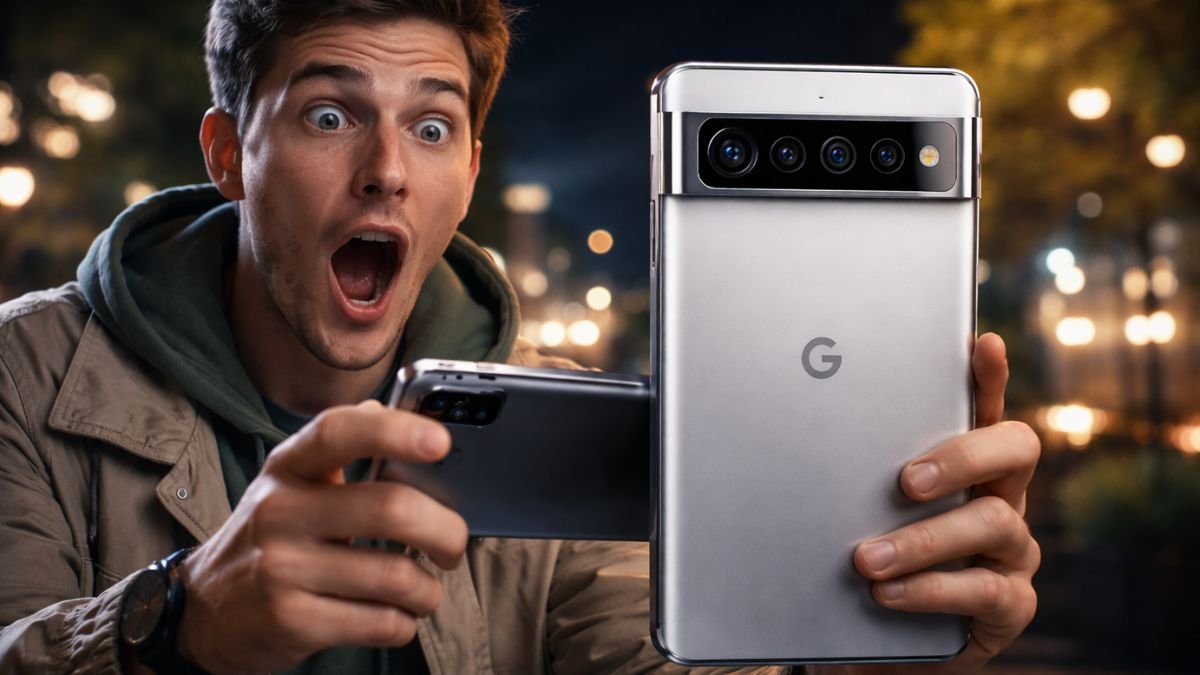
The upcoming Google Pixel 11 Pro XL is already creating buzz, and honestly, it feels like something important has changed this time. Instead of trying to completely reinvent the smartphone, Google is taking a smarter path—refining what already works and improving the overall experience.
From early renders and leaks, it’s clear that this device is not about flashy gimmicks. Instead, it focuses on clean design, better performance, and practical features. If you are someone who likes a smooth, reliable phone that looks premium, this might be the upgrade worth waiting for.
Let’s break everything down in simple terms
Design Changes That Actually Matter
The first thing you will notice is the new camera bar design. Earlier Pixel phones had a two-tone look, but now Google has gone for a single, clean finish.
What’s new?
- The camera bar now looks simpler and more premium
- The back design feels more polished and professional
- Edges are slightly smoother for a better grip
Even though the size (around 162.7 x 76.5 x 8.5 mm) is similar to older models, small changes make it feel more modern in hand.
In simple words: Same size, but better feel and cleaner look
Big Display for Everyday Use
The Pixel 11 Pro XL continues with a 6.8-inch AMOLED display, and that’s great news.
Why this display is useful:
- Bright and colorful screen for videos and games
- Deep blacks for better contrast
- Smooth scrolling and animations
- Large screen for multitasking
Even with such a big display, Google has worked on comfort and usability, so it doesn’t feel too bulky.
Perfect for students, gamers, and people who watch a lot of content.
Performance Upgrade With Tensor G6
At the core of the phone is the new Tensor G6 chip.
This is Google’s own processor, and it focuses heavily on AI (Artificial Intelligence) features.
What improvements to expect:
- Faster app loading and smoother multitasking
- Better battery efficiency
- Improved camera processing
- Smarter voice recognition and translation
Even though exact specs are not confirmed yet, it’s clear that this chip will make the phone feel faster and smarter in daily use.
In short: Less lag, more intelligence
Feature Cleanup: Removing What You Don’t Need
One interesting change is the removal of the infrared thermometer feature.
Why Google removed it:
- Most users didn’t use it regularly
- It added extra cost without much value
- Google wants to keep things simple and useful
This shows a clear direction:
Focus on important features, not extra gimmicks
Quick Overview Table
| Feature | What It Means | Why It Matters |
|---|---|---|
| Design Update | Cleaner camera bar and smooth edges | Looks more premium and feels better |
| Display | 6.8-inch AMOLED screen | Great for videos, gaming, multitasking |
| Processor | Tensor G6 chip | Faster and smarter performance |
| Removed Feature | No infrared thermometer | Keeps phone simple and useful |
| Size | Similar to previous model | Easy transition for old users |
Google’s Smart Strategy This Time
Instead of making huge risky changes, Google is improving things step by step.
This strategy is actually smart because:
- Users don’t need to relearn everything
- The phone feels familiar but better
- Improvements are practical, not confusing
The Pixel 11 Pro XL is a perfect example of “if it works, make it better—not different.”
What to Expect Next
The phone is expected to launch around August 2026, and more details like RAM, storage, and camera upgrades will be revealed soon.
But even now, one thing is clear:
This phone is built for real-world usage, not just marketing hype
The Google Pixel 11 Pro XL may not look like a massive upgrade at first, but when you look closely, it makes a lot of sense. Google is focusing on what users actually want—better design, smoother performance, and useful features. By removing unnecessary tools and improving core areas like display and processing, the phone becomes more practical for everyday use.
This kind of upgrade is perfect for people who want a reliable and polished smartphone experience without dealing with unnecessary complications. If you already like Pixel phones, this one will feel familiar—but definitely better. And if you are planning to switch, this could be a smart choice in 2026.